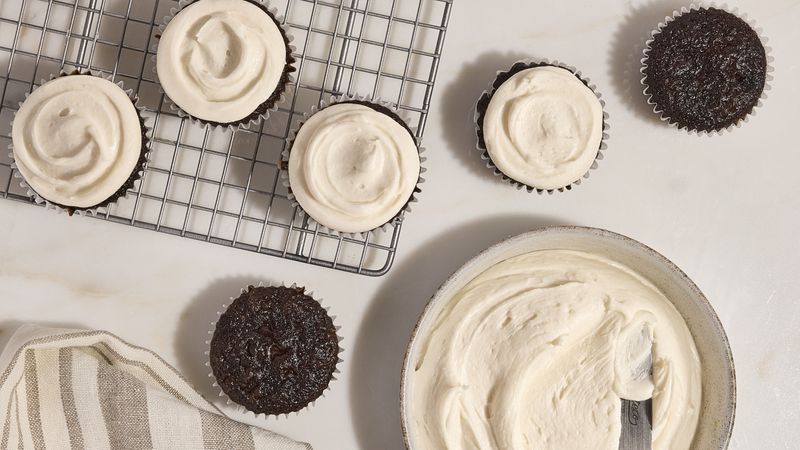
Simple Ingredients for Decadent Easy Vanilla Frosting
There’s something truly magical about a perfectly frosted cake or cupcake. While many store-bought options exist, nothing quite compares to the rich, creamy texture and vibrant flavor of homemade frosting. And when it comes to classic appeal, easy vanilla buttercream frosting stands in a league of its own. It's not just a topping; it's an experience – light, sweet, and wonderfully airy, transforming any dessert into a decadent masterpiece. Forget complicated recipes or fancy techniques. This guide will walk you through crafting an exquisite vanilla frosting using just a few common ingredients, many of which you likely already have in your pantry. It’s an approachable baking project, perfect for beginners, seasoned bakers, or even a fun activity to do with kids. Prepare to create a thick, spreadable, and utterly delicious frosting that will elevate everything from birthday cakes and elegant cupcakes to everyday cookies and sweet breads.The Magic Behind the Creamy Texture: Essential Ingredients
The beauty of a classic easy vanilla buttercream frosting lies in its simplicity. Each ingredient plays a crucial role in achieving that perfect balance of sweetness, flavor, and luxurious texture. Understanding their purpose is key to mastering this versatile frosting.- Unsalted Butter: The Foundation of Flavor and Texture
As the name "buttercream" implies, butter is non-negotiable. It's the fatty base that gives the frosting its signature richness and helps bind all the other ingredients together. For the best control over the final sweetness, opt for unsalted butter. This allows you to add a pinch of salt later to perfectly balance the sugar. The most critical tip for butter? Ensure it's at *room temperature*. This isn't just a suggestion; it’s vital for a smooth, homogenous frosting. Cold butter won't cream properly and will leave you with a lumpy, inconsistent texture. Butter that's too warm can result in a greasy, separated frosting. Aim for butter that yields slightly when pressed, but isn't melted or oily. - Confectioners' Sugar: For a Smooth, Silky Sweetness
Also known as powdered sugar or icing sugar, confectioners' sugar is the sweetening agent of choice for buttercream. Unlike granulated sugar, which would create a grainy texture, confectioners' sugar contains a small amount of cornstarch that prevents caking and dissolves seamlessly into the butter. This fine grind is what ensures your frosting is irresistibly smooth and creamy. For an ultra-silky result, especially if your sugar has been sitting for a while, consider sifting it before adding it to your butter to eliminate any potential lumps. - Vanilla Extract: The Heart of the Flavor
This seemingly simple ingredient is the cornerstone of a true vanilla frosting. It infuses the entire mixture with that warm, aromatic, and deeply comforting vanilla flavor. While imitation vanilla works, investing in pure vanilla extract makes a noticeable difference. For an even more profound flavor and beautiful speckled appearance, you could even use vanilla bean paste or scrape the seeds from half a vanilla bean. - Milk (or Cream): Achieving the Perfect Consistency
A small amount of liquid is essential to thin out the frosting, making it easier to spread and giving it that light, airy quality. While 2% milk is a common choice, you can experiment with full-fat milk, half-and-half, or even heavy cream for an even richer, thicker frosting. Always start with a smaller amount than you think you need, adding more a teaspoon at a time until your desired consistency is achieved. This way, you prevent the frosting from becoming too thin too quickly. - A Pinch of Salt: The Secret Flavor Enhancer
While not always explicitly listed, a tiny pinch of fine sea salt can dramatically enhance the overall flavor profile of your easy vanilla buttercream frosting. It doesn't make the frosting salty; instead, it cleverly cuts through the sweetness and amplifies the vanilla notes, creating a more balanced and complex taste.
Crafting Your Perfect Frosting: Step-by-Step Excellence
Making this luscious vanilla frosting is surprisingly straightforward. With a powerful mixer and careful attention to consistency, you'll achieve bakery-quality results every time.- Cream the Butter to Perfection: In a large mixing bowl (or the bowl of a stand mixer), begin by beating your room-temperature butter. Use an electric handheld mixer or a stand mixer fitted with the paddle attachment. Beat on medium speed for about 2-3 minutes, or until the butter is noticeably creamy, pale in color, and fluffy. This step is crucial for incorporating air, which contributes to a light, airy frosting.
- Gradually Add the Confectioners' Sugar: Reduce the mixer speed to low. Begin adding the sifted confectioners' sugar, about 1 cup at a time, mixing well after each addition. If you add it all at once, you’ll create a sugary cloud in your kitchen! Once all the sugar is incorporated, increase the speed to medium-high and beat for another 2-3 minutes. Scrape down the sides of the bowl frequently to ensure everything is evenly mixed. This vigorous beating helps dissolve the sugar further and makes the frosting incredibly smooth.
- Introduce the Vanilla and Liquid: With the mixer still on low, add your vanilla extract (and a pinch of salt, if using). Then, slowly drizzle in the milk (or cream), starting with just a tablespoon. Continue mixing on low until everything is combined.
- Achieve Your Desired Consistency: Now, the magic happens. Increase the mixer speed to medium-high and beat for another 3-5 minutes. The frosting will transform, becoming wonderfully light, fluffy, and spreadable. As you beat, assess the consistency. If it's too thick for your liking, add more milk, half a teaspoon at a time, beating after each addition until you reach your desired texture. If it's too thin, you can add another tablespoon or two of sifted confectioners' sugar. The goal is a frosting that holds its shape but is easy to spread or pipe.
Elevating Your Vanilla Buttercream: Exciting Variations
While easy vanilla buttercream frosting is absolutely delicious on its own, it’s also a fantastic blank canvas for creativity. Experimenting with flavor enhancers is a delightful way to customize your desserts.- Extract Extravaganza: The simplest way to switch things up is by swapping or adding other extracts. Consider a few dashes of:
- Peppermint Extract: Perfect for holiday treats or chocolate-based desserts.
- Almond Extract: Adds a sophisticated, nutty undertone.
- Orange or Lemon Extract: Brightens the flavor, wonderful for citrus cakes.
- Coffee Extract or Espresso Powder: Deepens the flavor profile, especially good with chocolate.
- Coconut Extract: For a tropical twist, pair with a pinch of lime zest.
- Nutty Indulgence with Peanut Butter: For a truly decadent twist, add smooth, room-temperature peanut butter to your vanilla buttercream. The consistency of the peanut butter blends seamlessly with the frosting, creating a rich, flavorful frosting that's perfect for chocolate cakes, cookies, or even banana bread. Start with about 1/2 cup for a noticeable flavor, and adjust to your preference. Ensure the peanut butter is smooth and at room temperature to prevent lumps.
- Chocolate Lover's Dream: Melted and slightly cooled chocolate (dark, milk, or white) can be folded into the frosting for a rich chocolate buttercream. Cocoa powder also works beautifully for a quick chocolate fix.
- Fruity Freshness: While a bit trickier due to moisture content, fruit purées (like raspberry or strawberry) can be gently folded in. Ensure the purée is concentrated and cooled, and be prepared to add a little extra confectioners' sugar to maintain consistency. A safer bet is often using freeze-dried fruit powder for intense flavor without excess moisture.
Storing Your Homemade Frosting & Troubleshooting Common Issues
Storage Best Practices:
Once your frosting is mixed, transfer it to an airtight container with a tight-fitting lid. Store it in the refrigerator for up to seven days. When you’re ready to use it, simply let it come back to room temperature (this might take an hour or two), and then give it a good beat with your electric mixer for a minute or two until it’s light and fluffy again. This re-whipping step is crucial to restore its creamy, spreadable texture after refrigeration.
Troubleshooting Tips:
- Frosting is too thin: Gradually add more sifted confectioners' sugar, a tablespoon at a time, beating well after each addition, until it reaches your desired consistency.
- Frosting is too thick: Add more milk or cream, half a teaspoon at a time, beating well until it thins out to the right consistency.
- Frosting is grainy: This usually means the confectioners' sugar didn't dissolve completely. Sifting the sugar beforehand helps. You can try beating it for an extra few minutes on medium-high speed to help the sugar dissolve further.
- Frosting looks curdled or separated: This can happen if the butter was too cold or too warm, or if you added liquids too quickly. Don't despair! Try placing the bowl over an ice bath for a few minutes (if butter was too warm) or over a warm water bath (if butter was too cold) while continually beating on medium speed. The temperature change often helps it come back together. If it's still separated, add another tablespoon or two of confectioners' sugar and beat vigorously.
- Too many air bubbles for piping: After the frosting is mixed, switch to the paddle attachment (if using a stand mixer) or a lower speed, and beat the frosting on low for a few minutes. This helps to push out excess air, resulting in a smoother frosting perfect for intricate piping. Alternatively, use a spatula to press the frosting against the side of the bowl.
